

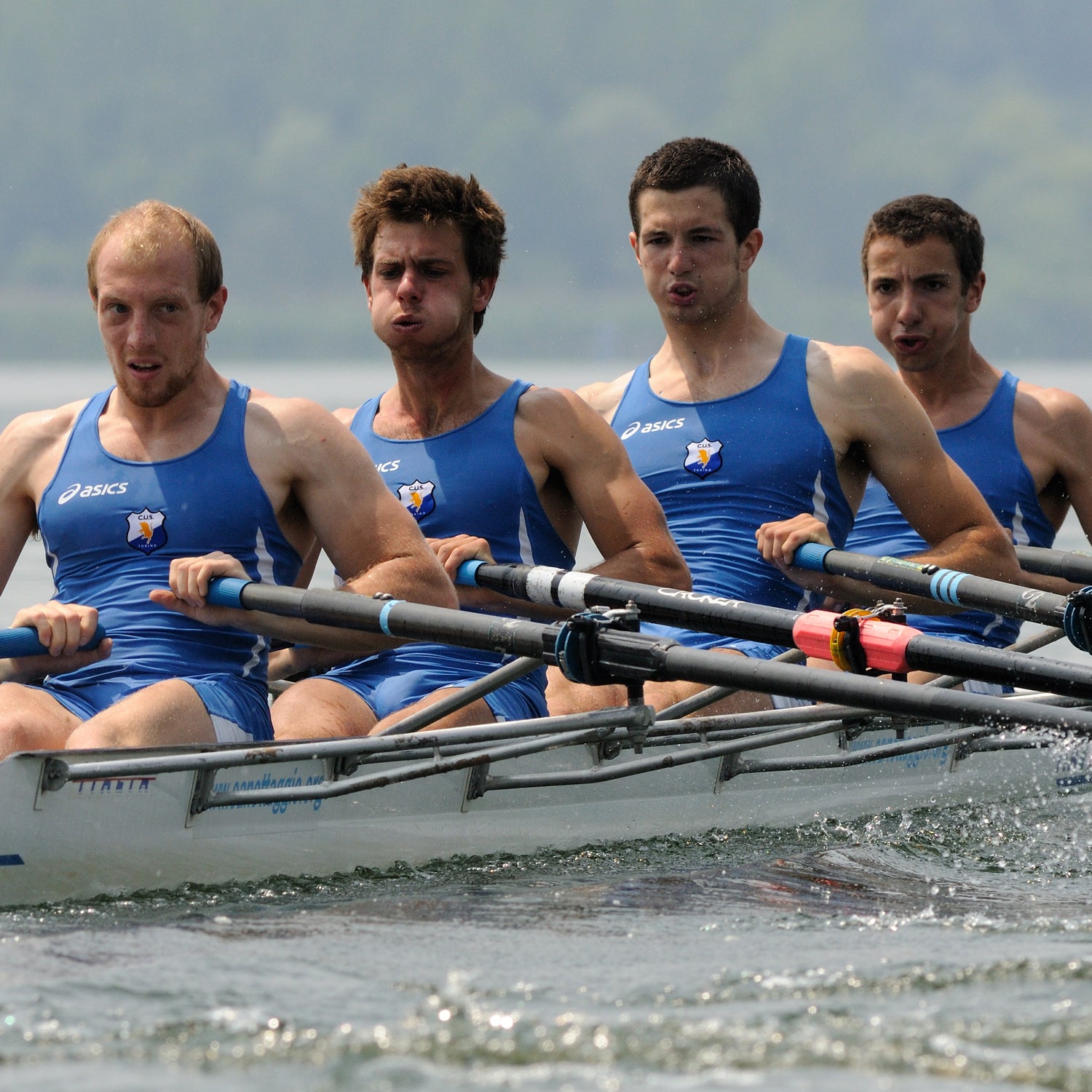
Rowing is one of the toughest sports around and Olympic training programmes are renowned for being intense, cut-throat environments.
Most rowers would likely agree they have an obsessive nature, living monk-like existences with early starts and long hours in the boat and the gym.
Here, Built for Athletes takes a look at how Olympic rowers train.
2-3 Times Per Day
At the elite level, rowers will regularly train two or three times a day to make sure they have every base covered and get into peak shape for competition.
Practicing on the water is obviously a staple, but strength and conditioning work as well as topping up the volume by using an indoor rowing machine is critically important too.
Leg Strength Is Key
Squatting and deadlifting is a heavy focus in the gym because leg strength is so important when the athletes race.
“I do a lot of work on my glutes and quads in the gym, and train the core to protect the back,” Helen Glover told Coach Mag [https://www.coachmag.co.uk/sport/5565/olympic-gold-medallist-helen-glover-s-training-regime] before the last Olympics.
“I really like gym work because you can see your improvement and measure yourself getting stronger. I get a real sense of achievement when I can lift more than the week before.”
Rowing Machine Work
While it might not always be as appealing to the athletes, putting in the hours on a rowing machine is hugely beneficial because a number of variables are eliminated.
You can judiciously control the amount of resistance encountered so it’s easy to carry out specific interval workouts if required, as well as to quantify improvements in a way that builds confidence before a race.
Nutrition
Because of the sheer amount of intense workload that rowers endure, they need a huge amount of calories when they are in peak training.
As Glover explains: “I need to have around 4,000 calories a day - double that of an average woman. I mainly eat healthily and always have my five fruit and veg portions a day, but sometimes it’s a struggle to eat enough so I can get away with having high-calorie foods like chocolate and crisps.”












Share:
Dubai CrossFit Challenge Online Report
5 Tips To Help Build Hypertrophy