

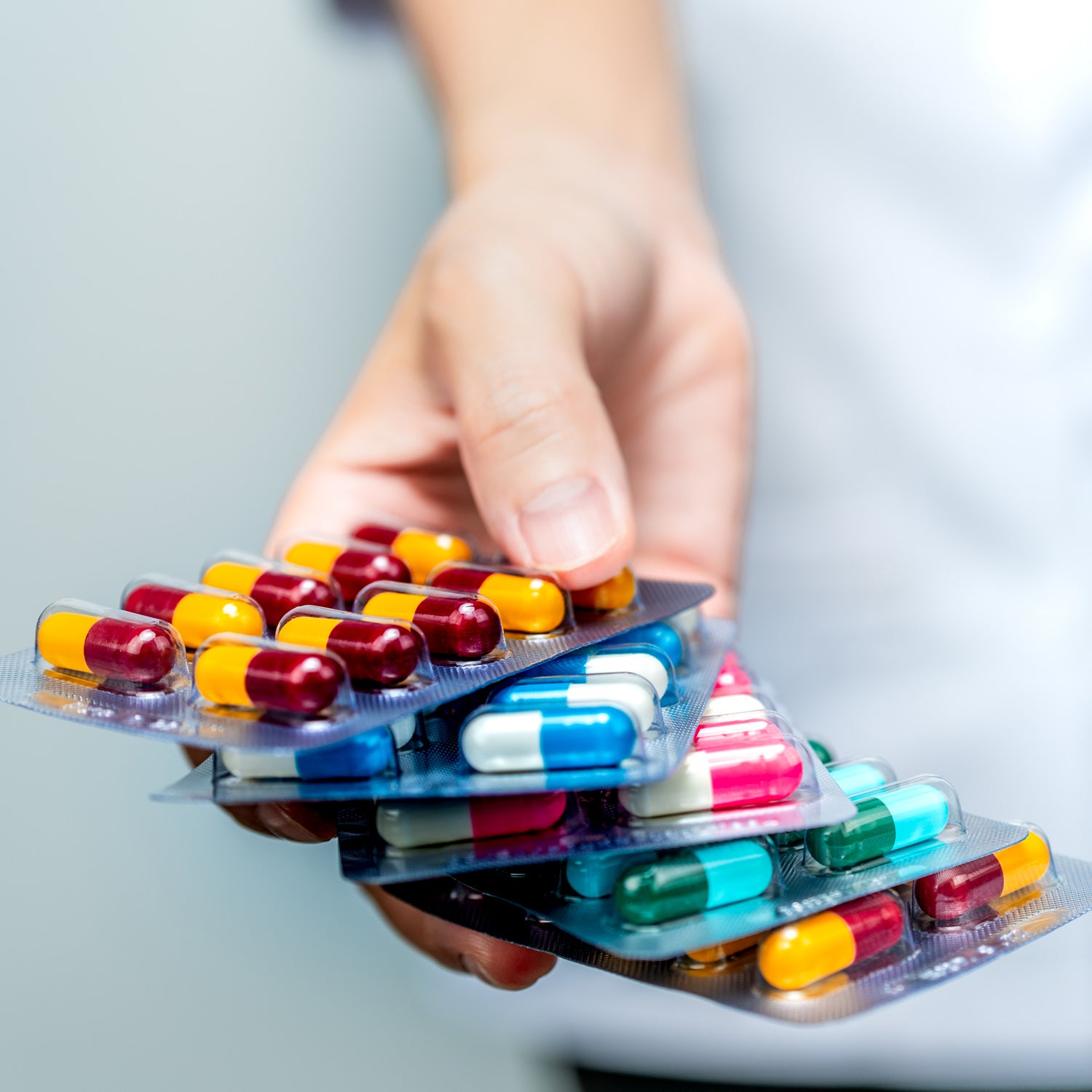
Anyone who’s been on antibiotics and tried to train or compete through it will know that your body doesn’t perform as well as it normally would.
Even weeks after coming off a course of antibiotics, you can still be feeling the effects, which is why it can ruin the season of an elite athlete if they have to go on them.
The reasons for this are widely unknown, but a new study suggests it might be to do with the way the medication influences your gut bacteria.
Antibiotics attack and kill some of the bacteria - which is their way of dealing with infections - and this can reduce motivation to train as well as the way your body converts carbohydrates into fuel for muscles.
Theodore Garland, the physiologist whose lab conducted the research, said: "We believed an animal's collection of gut bacteria, its microbiome, would affect digestive processes and muscle function, as well as motivation for various behaviours, including exercise. Our study reinforces this belief."
The researchers took two groups of mice - some bred for high levels of running, and some that were not - and found that gut bacteria were reduced in both after 10 days of antibiotics.
Neither group showed any signs of illness, but the athletic mice reduced their running on a wheel by 21% and they didn’t recover it for 12 days after the course of antibiotics ended.
However, the group of normal mice didn’t significantly change their behaviour during or after the treatment.
The researchers were certain that it was the change in gut bacteria that caused the difference in the athletic mice.
Future research could look at how good bacteria that promotes exercise motivation and the metabolism of carbohydrate into fuels like glycogen could be used to improve training routines among athletes and boost the health of normal populations.
"Though we are studying mice, their physiology is very similar to humans. The more we learn from them, the better our chances of improving our own health," said Garland.
Certain foods that contain high levels of prebiotics, for example, could be used to boost levels of good bacteria that are linked with exercise motivation and performance.






































Share:
Tom Stoltman World's Strongest Man 2022 - Training Routine and Diet
4 Tips To Improve Your Push Workout & Build A Bigger Chest