



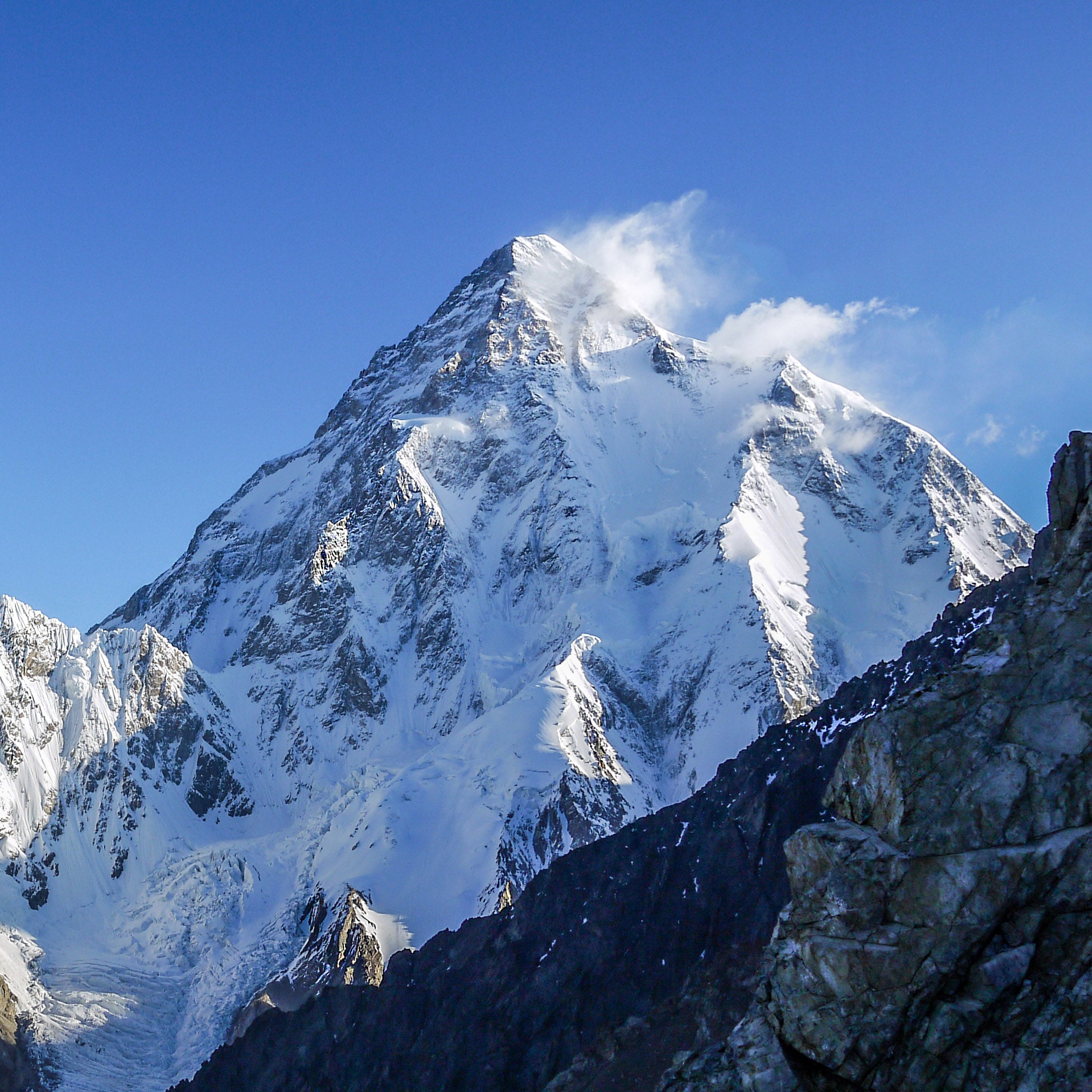
Altitude training has been utilised by elite athletes for much of the last century, and there has long been an understanding that living in oxygen-deprived air can benefit performance in endurance events.
There has been considerable research into why people who spend prolonged time at altitude improve when they return to compete at sea level.
Here is a look at how scientists think altitude training makes you fitter.
Increased EPO Production
Erythropoietin (EPO) is largely associated with drug cheats, but it’s actually a naturally occurring hormone.
A number of studies, including an early investigation into the effects of altitude training in 1998 [https://pubmed.ncbi.nlm.nih.gov/9760340/], have found that spending a prolonged time at high altitudes causes the kidneys to produce higher levels of EPO which in turn leads to higher amounts of red blood cells.
This increased mass of red blood cells then enables greater oxygen delivery to muscles.
Scientists also largely agree that the most significant benefits come from living at heights of around 8,000ft, although benefits can also be felt roughly 5,000 feet and above, and that it takes about 10 to 20 days after returning to sea level for these benefits to ware off.
Methods To Simulate Altitude Training
A problem for most amateur athletes is that they can’t uproot their lives to spend long periods of time in the mountains.
Artificial means of getting the benefits of increased red blood cell mass, such as EPO infusions or blood doping, may be banned but there are other methods that can be used.
Some athletes opt to sleep in an altitude tent. A machine is used to reduce the amount of oxygen inside the tent, therefore simulating a set altitude.
Many physiologists argue that living at altitude and commuting to perform high-intensity training at sea level will create bigger performance boosts than both living and training in oxygen-deprived air, so this could be a highly effective method of simulating the benefits as you can continue training in your normal environment.
If you do want to simulate training at altitude as well, a mask that limits airflow can be used in order to simulate mountainous air while exercising.











Share:
What Is The Low-Glycemic Diet?
How Do Rugby League Players Train?