

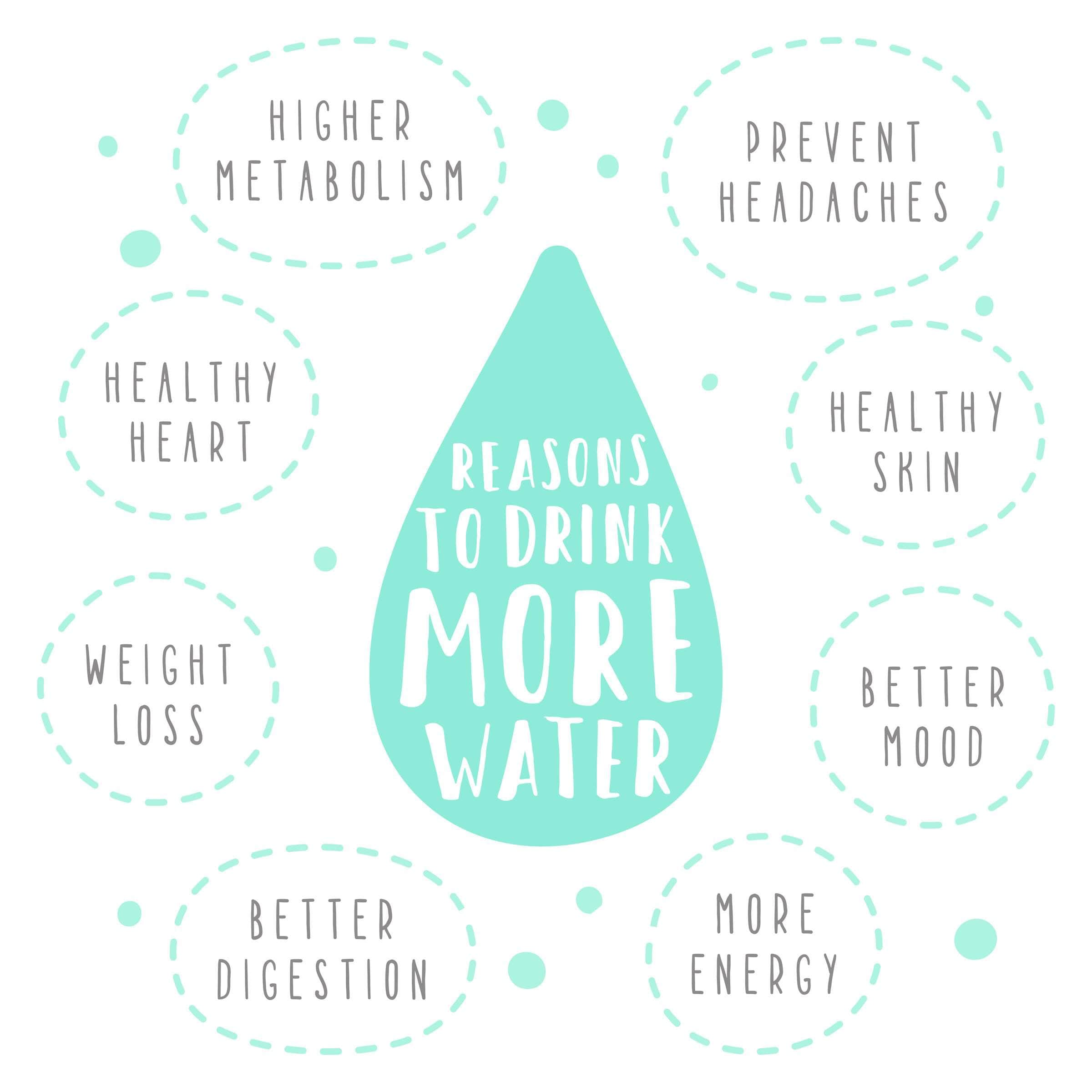
Coaches and personal trainers bombard their athletes and clients with instructions to “drink lots” during a training session, but how does this actually impact their physical capability?
Most assume drinking water along with exercise is just a health and safety measure to prevent the dangers of dehydration, but evidence shows keeping the body’s fluids up can improve performance and recovery, making for a better athlete or physique.
Here, Built for Athletes takes a look at exactly how hydration influences humans during and after physical activity.
Performance
Maintaining proper hydration in the body has been shown to aid exercise performance in a number of ways.
Keeping fluid levels high helps regulate body temperature so less energy is being expended on keeping you cool. If the body is working harder to stay at an optimal temperature, physical performance is negatively impacted.
Meanwhile, blood pressure is also regulated by fluids. Maintaining a normal blood pressure in turn normalizes heart rate. This affects the amount of stress placed on the body.
It has also been shown that fluids help transport nutrients on a cellular level, as well as improve cellular functioning. This means having adequate fluid levels in the body ensures proper fueling, although plasma levels won’t be affected by dehydration unless it becomes severe.
The removal of metabolic waste products, such as lactic acid, is also helped by fluid and keeps muscle cramps at bay.
Recovery
Our muscles are 75 percent water, so it’s pretty crucial to how they function and there are a number of ways it aids recovery from exercise.
Water helps the process of protein synthesis, the process which repairs muscles and makes them stronger after being broken down by a workout. If you are dehydrated after a training session, protein synthesis slows down and recovery is therefore delayed.
Research has also shown hydration levels have a significant impact on heart rate recovery. If heart rate stays raised after exercise, this indicates that the body is recovering more slowly from the stress that was placed on it.
Dehydration also causes fatigue due to a decrease in blood volume, which means the body is less efficient in transporting nutrients. Such fatigue can have a negative bearing on work and wider life as well as inhibiting motivation for the next workout.







































Share:
High-Volume Finisher Exercises To End A Leg Workout
What Are The Benefits Of CBD Oil?