



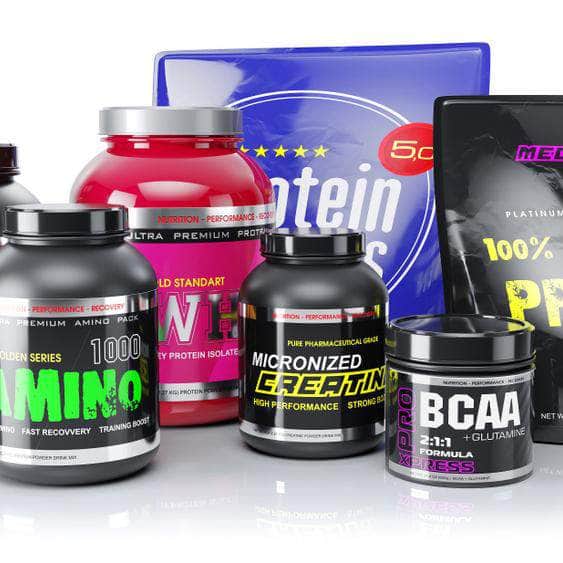
Supplements ensure athletes get enough key nutrients that they may not be able to absorb through their diet alone. The most common are used by elites and amateurs alike in order to aid recovery, boost performance or avoid injury. Below are some of the most popular types of supplements used by the fitness community.
Whey Protein
Protein supplementation is practically an industry in itself due to its popularity among bodybuilders. But it’s not just for people looking to bulk up, as endurance athletes or those aiming to build lean muscle use it too in order to support protein synthesis. Whey is found in milk and is left behind as a by-product in the manufacturing of cheese or yoghurt. It is fast to digest and therefore enhances the recovery process quickly.
BCAAs
The proteins and muscles in your body are made up of amino acids. Three of these amino acids – leucine, isoleucine and valine – are found in BCAAs and help to reduce recovery time. They are also popularly taken while on a cutting diet as they help reduce muscle breakdown when caloric intake is lowered.
The amino acids are also readily available in plenty of protein sources, like meat and fish, so many people might not need to supplement them.
Creatine
Creatine is produced naturally by your body, but can be supplemented to boost levels by up to 40 per cent. It provides energy to your muscles and, therefore, higher levels can improve performance. As a result, you can lift heavier loads and increase muscle growth.
Multivitamins
Ensuring the body has all the right vitamins and minerals it needs is positive for many aspects of health, and that is why multivitamins are the most popular type of supplement worldwide. They boost the immune system and can improve brain functioning, while some research even suggests taking multivitamins can reduce the risk of heart disease and cancer.
Casein Protein
Casein is the other type of protein found in milk. It is slower to digest than whey and contains less BCAAs, hence why it is less popular for muscle growth. But it does have its advantages. For example, when consuming protein before bed to aid recovery, it is more effective to use casein as it releases protein at a slower rate. It also contains bioactive peptides that help boost the immune system, improve gut health and lower blood pressure.


















Share:
Sonny Webster 'Q&A'
TAMMI ROBINSON 'WHAT'S IN MY BACKPACK'?