

Athletes often obsess over the amount of protein and carbohydrates in their diet. But fibre is an important nutritional component that shouldn't be overlooked.
Although our bodies don’t actually break down fibre for fuel when digesting our food, there’s lots of research showing that having a variety of sources of fibre each day can boost lots of aspects of your health and wellbeing.
Here, Built for Athletes looks at why we should eat fibre before and after training to help with recovery, which athletes need it and how much you should be eating.
Benefits Of Fibre For Athletes
Good nutrition is key to recovering well between sessions, and fibre is an important part of a balanced diet.
It’s essential for ensuring your gut microbiome is healthy and diverse, which helps flush out inflammation, balance hormone levels in the blood and improve the digestion and absorption of your food.
It also helps support a healthy immune system, which is crucial for any athlete putting their body under high training stress. Good immune health will keep illnesses away so you can train consistently for long-term gains.
Increasing your intake of soluble fibre is also linked with blood glucose stabilisation, meaning less spikes or drops in blood sugar take place throughout the day. This leads to a more consistent energy supply so you are more likely to feel ready to go when it comes to your workout, rather than turning up on a sugar crash.
Which Athletes Need Fibre?
The short answer is all athletes can benefit from eating fibre.
It’s mainly pushed amongst those in endurance sports, but if you’re looking to build strength as a power-based athlete, fibre can help too.
Although it doesn’t directly cause muscle growth, it still supports your training by improving insulin sensitivity so carbohydrates are released more slowly, and boosting your immune system as discussed above.
Fibre also helps keep you feeling fuller for longer, and this feeling of satiety will help you eat clean throughout the day, reducing cravings for junk food and leading to a boost in overall nutrition.
How Much Fibre Should You Be Eating?
Athletes should be consuming around 30g of fibre each day due to high activity levels. Most other healthy adults can get away with eating between 10g and 15g per day.
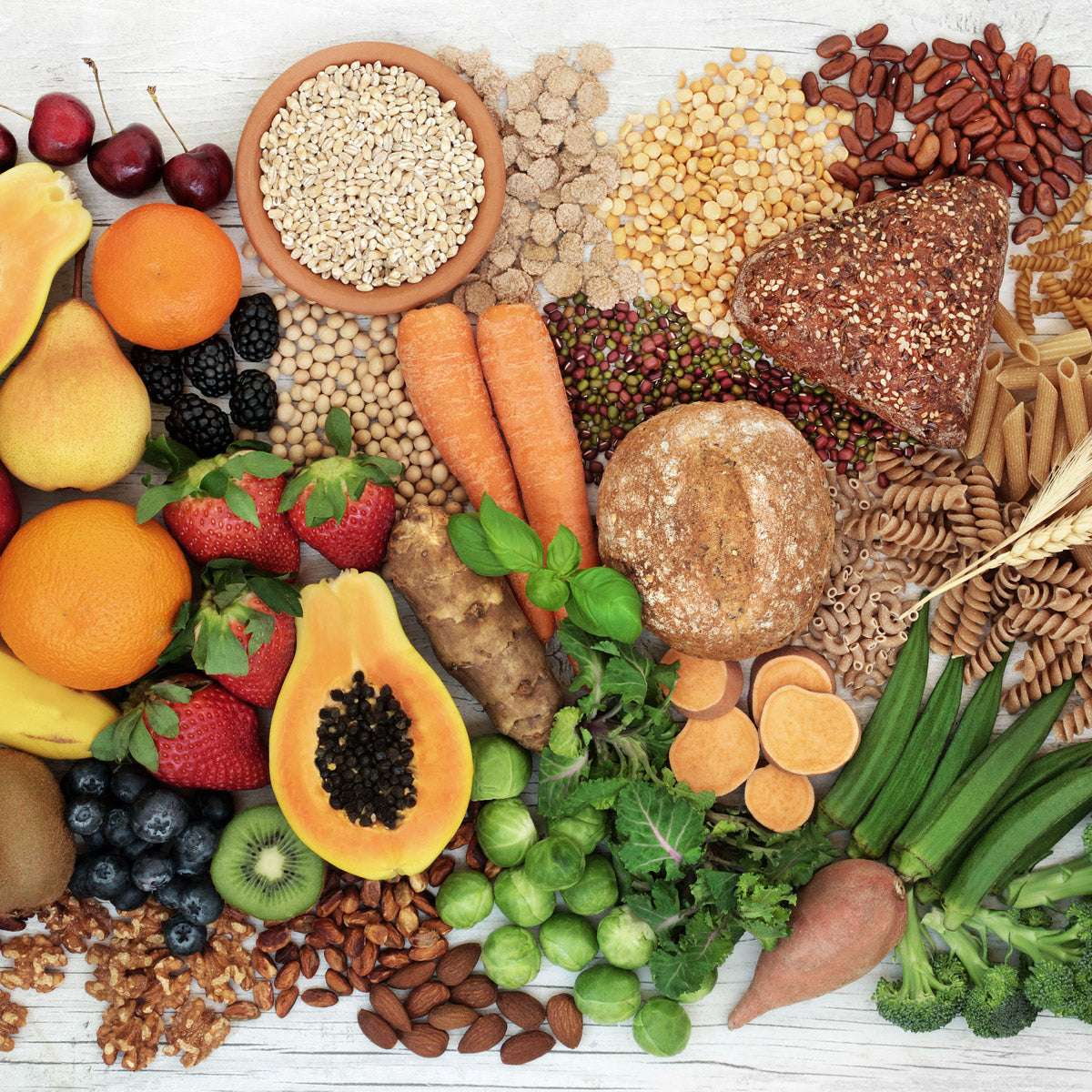
Most nutritionists say it’s best to get fibre from natural foods rather than supplements, and the good news is it’s found in multiple sources.
Any kind of bread (but particularly wholemeal), fruit, vegetables, brown rice and brown pasta all contain plenty of fibre.
Just be careful when increasing your total amount drastically, as it can cause digestion issues. It’s best instead to make small and sustainable changes.












Share:
5 Of The Best Trainers For Lifting In 2022
British Athlete Becky Briggs Overcame An Eating Disorder To Run 2.29 Marathon