













































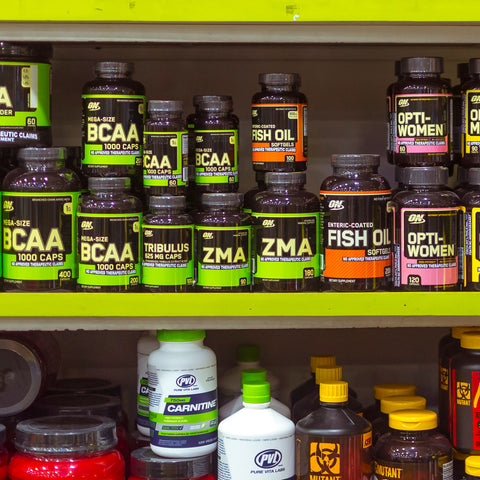

ZMA is one of the most popular vitamin supplements used by athletes, and it’s recommended by many top nutritionists.
It’s a combination of zinc, magnesium, and vitamin B6, and usually contains 30mg, 450mg and 10mg of each component respectively.
Manufacturers of ZMA claim it has a number of key benefits that are important for athletes.
But what actual evidence is there that taking a regular dose can help you step up your performance and improve your general lifestyle? Built for Athletes takes a look.
ZMA Can Improve Athletic Performance
There is some evidence that taking ZMA could lead to enhanced athletic performance, but only when a person is deficient in zinc or magnesium.
Some athletes can develop deficiencies in these minerals if they don’t pay attention to their nutrition and keep a balanced diet.
This may lead to reduced testosterone levels which has an influence on muscle mass and recovery.
Boosts Immunity
Zinc in particular is important for building a strong immune system. It’s been shown to improve your chances of keeping infections at bay and help wounds to heal.
The benefit of taking zinc in ZMA is that it also comes with a hit of vitamin B6, which your body needs to create white blood cells to help fight bacteria.
Staying clear of illnesses helps athletes to avoid periods of missed training so you can stay on track for long-term results.
Can Improve Sleep
Magnesium can help make your body feel calm and relaxed, so a lot of ZMA manufacturers recommend taking the supplement about an hour before you go to bed.
A number of studies have also shown that zinc can improve your sleep quality, so the mix of both improves your chances of getting some good shut-eye.
Can Increase Testosterone Levels
Levels of testosterone can be game-changing in sport.
Studies have shown athletes who supplement with ZMA increased their muscle strength, and this was put down to the influence that zinc and magnesium has on testosterone levels.
Other ways to naturally enhance testosterone levels include sleep, vitamin D supplements and reducing stress.
May Boost Your Mood
Nutrition has a big influence on your mood, and magnesium and vitamin B6 have been shown to improve feelings of wellbeing.
A study in 2015 that included 8,900 adults found that those under the age of 65 with the lowest magnesium intake had a 22% higher risk of depression.
It’s a combination of zinc, magnesium, and vitamin B6, and usually contains 30mg, 450mg and 10mg of each component respectively.
Manufacturers of ZMA claim it has a number of key benefits that are important for athletes.
But what actual evidence is there that taking a regular dose can help you step up your performance and improve your general lifestyle? Built for Athletes takes a look.
ZMA Can Improve Athletic Performance
There is some evidence that taking ZMA could lead to enhanced athletic performance, but only when a person is deficient in zinc or magnesium.
Some athletes can develop deficiencies in these minerals if they don’t pay attention to their nutrition and keep a balanced diet.
This may lead to reduced testosterone levels which has an influence on muscle mass and recovery.
Boosts Immunity
Zinc in particular is important for building a strong immune system. It’s been shown to improve your chances of keeping infections at bay and help wounds to heal.
The benefit of taking zinc in ZMA is that it also comes with a hit of vitamin B6, which your body needs to create white blood cells to help fight bacteria.
Staying clear of illnesses helps athletes to avoid periods of missed training so you can stay on track for long-term results.
Can Improve Sleep
Magnesium can help make your body feel calm and relaxed, so a lot of ZMA manufacturers recommend taking the supplement about an hour before you go to bed.
A number of studies have also shown that zinc can improve your sleep quality, so the mix of both improves your chances of getting some good shut-eye.
Can Increase Testosterone Levels
Levels of testosterone can be game-changing in sport.
Studies have shown athletes who supplement with ZMA increased their muscle strength, and this was put down to the influence that zinc and magnesium has on testosterone levels.
Other ways to naturally enhance testosterone levels include sleep, vitamin D supplements and reducing stress.
May Boost Your Mood
Nutrition has a big influence on your mood, and magnesium and vitamin B6 have been shown to improve feelings of wellbeing.
A study in 2015 that included 8,900 adults found that those under the age of 65 with the lowest magnesium intake had a 22% higher risk of depression.