












































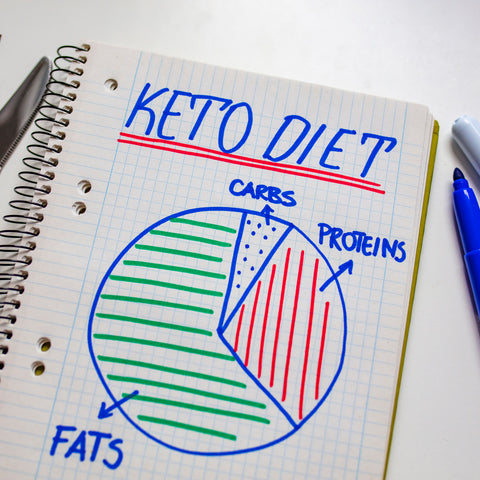

The ketogenic (or keto) diet has become one of the most popular methods of weight loss over the last few years. Various celebrities and sports stars have claimed its success, including Tyson Fury, LeBron James and Halle Berry.
Here, Built for Athletes explores what the key concepts of the diet are and how it works.
What Is The Ketogenic Diet?
The key pillar behind the ketogenic diet is cutting down carbs and eating predominantly fats and protein. It was originally developed as a treatment for epilepsy back in the 1920s, and it’s still sometimes used for this purpose today.
Different types of the diet call for different restrictions on carbs, but a normal target range is less than five per cent of your daily calories.
Around 75 per cent is meant to come from fat, with the remaining 20 per cent from protein. So foods like meat, fish, dairy, eggs and low carb vegetables including avocados are popular food options, while all the obvious culprits like pasta, bread, rice and potatoes are no-gos. Even most fruits are cut out.
How Does The Keto Diet Work?
By putting the body into a metabolic state called ketosis.
Carbohydrates are naturally burned to fuel the body and provide energy but when they are restricted, stored fats are broken down to create molecules known as ketones to use for energy instead.
By consistently restricting carbohydrate intake, you ensure the body stays in a state of ketosis almost constantly.
As well as the main goal of enhancing weight loss, research suggests the keto diet decreases blood sugar levels.
It has also been shown to increase insulin resistance among some diabetics, with a few people claiming it allowed them to reverse their type two diabetes completely.