



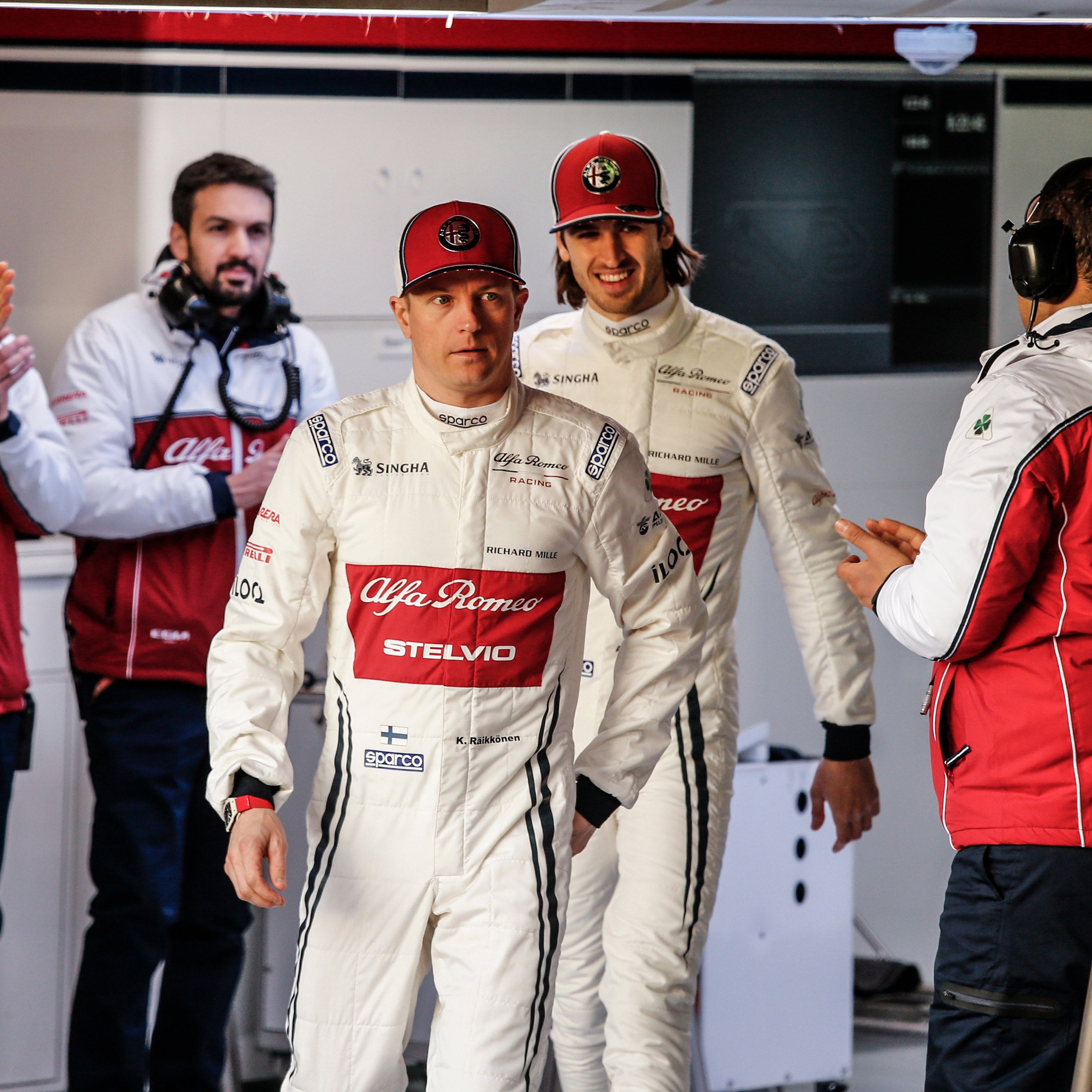
Unfortunately, Formula 1 is one of the many sports to have been affected by the Coronavirus outbreak, with the start of the season being postponed.
Not only has this caused major upset for fans all over the world, but it’s thrown a big spanner in the works for fitness coaches who have been planning the training for drivers in recent months.
It’s often misunderstood why F1 drivers need to train their bodies at all, but when you consider their heart rate will average between 140-170 beats per minute throughout a race that can last up to two hours, at the same time as extreme amounts of g-force are placed on the body, it becomes pretty obvious.
Here, Built for Athletes takes a look at the essential components that make up an F1 driver’s training programme.
Cardio
As we’ve mentioned above, drivers’ heart rates go up into zones four and five for sustained periods of time during races, with peaks of around 205 having been previously recorded, so a good level of cardiovascular fitness is essential.
To achieve this, they are usually prescribed running, cycling or rowing sessions around two to three times a week.
These will either involve long steady-state activities at a low heart rate to improve aerobic fitness or HIIT workouts.
Resistance Training
In addition to a regular cardio routine, drivers must be strong to enable their bodies to deal with g-forces during races.
One of the most important areas to strengthen is the neck, so drivers will sometimes be seen with heavy weights strapped to their heads in the same way that boxers frequently are.
The leg muscles are also very important due to the amount of force needed to break the car at high speeds.
With that in mind, drivers will regularly perform deadlifts and squats in order to build the glutes and muscles around the hips.
These resistance sessions will often be done 2-3 times a week as well.
Mobility
The main purpose of mobility work is injury prevention and it takes a key role in prescribed programmes.
Drills may be performed before and/or after training sessions, or there could even be a separate session involving flexibility on a recovery day.
Many drivers, including Lewis Hamilton, have been known to regularly practice yoga or pilates citing the additional core strength benefits that can be gained as well as mobility.













































Share:
What Type Of Milk Should Athletes Drink?
Will The CrossFit Games Be Postponed? - How The Sport Has Been Affected By Coronavirus So Far